- Home
- Investments
Ahmed Abou Hashima’s investments are driven by a long-term perspective, focusing on industries with the potential to shape Egypt’s future.
Through EIIG, MAFI for Agricultural Produce Industries and Atum Solar, he is building a portfolio centered on industrial growth, food manufacturing, and renewable energy. Each venture is designed to strengthen local capabilities, expand Egypt’s productive base, and create long-term value for the economy.
Egyptian Industrial Investment Group (EIIG)
EIIG invests in businesses that create long-term economic value.
With a portfolio spanning agribusiness, food manufacturing, building materials, financial services, and renewable energy, the Group focuses on industries that support Egypt’s industrial growth and future competitiveness. Its investment strategy combines deep sector expertise, disciplined execution, and a long-term perspective to develop businesses with sustainable growth potential.
Innovation, responsible investment, and strong governance remain at the core of EIIG’s approach, enabling the Group to build resilient businesses that deliver lasting value.
To learn more, visit the official EIIG website.

MAFI For Agricultural Produce Industries
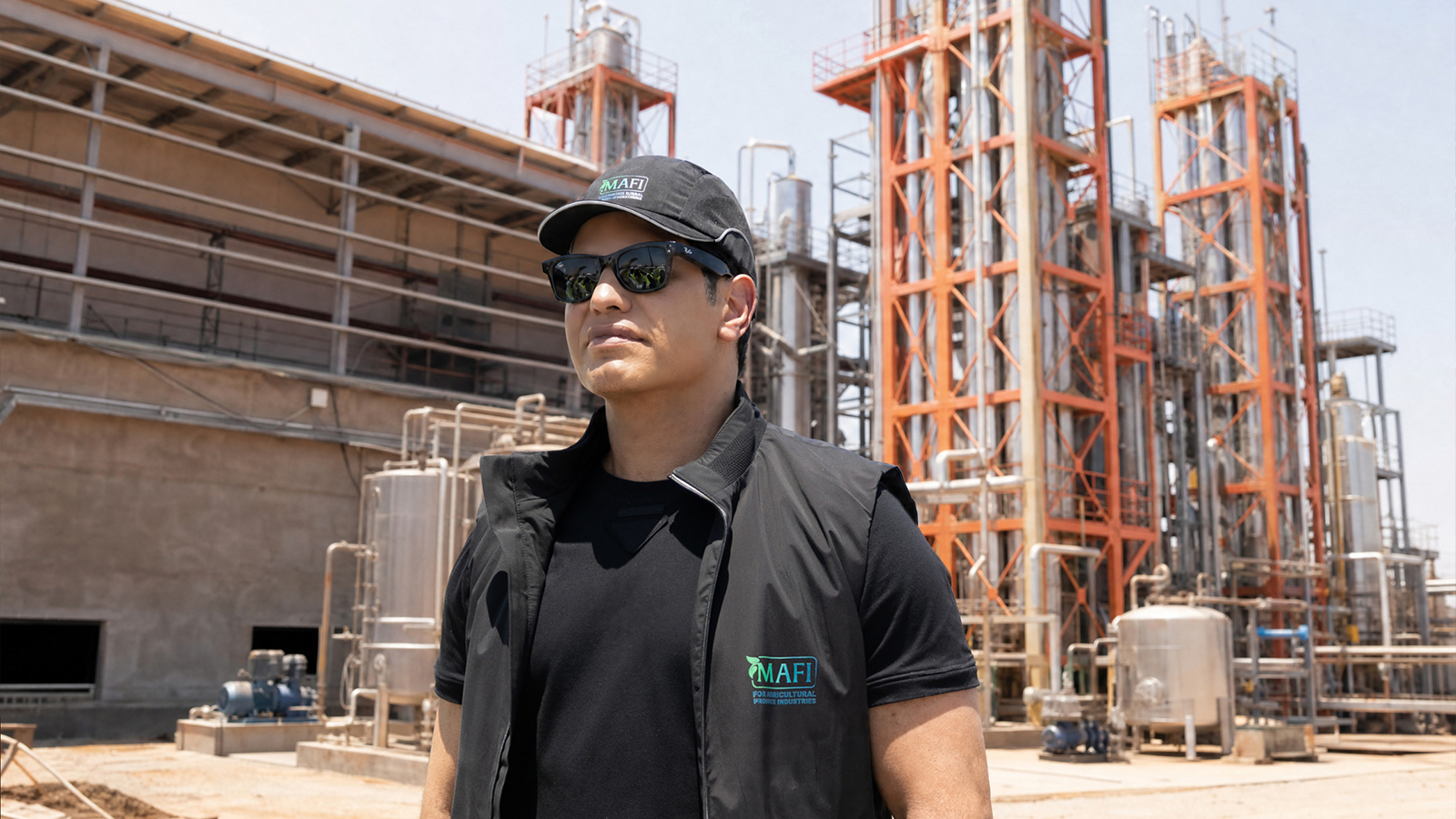
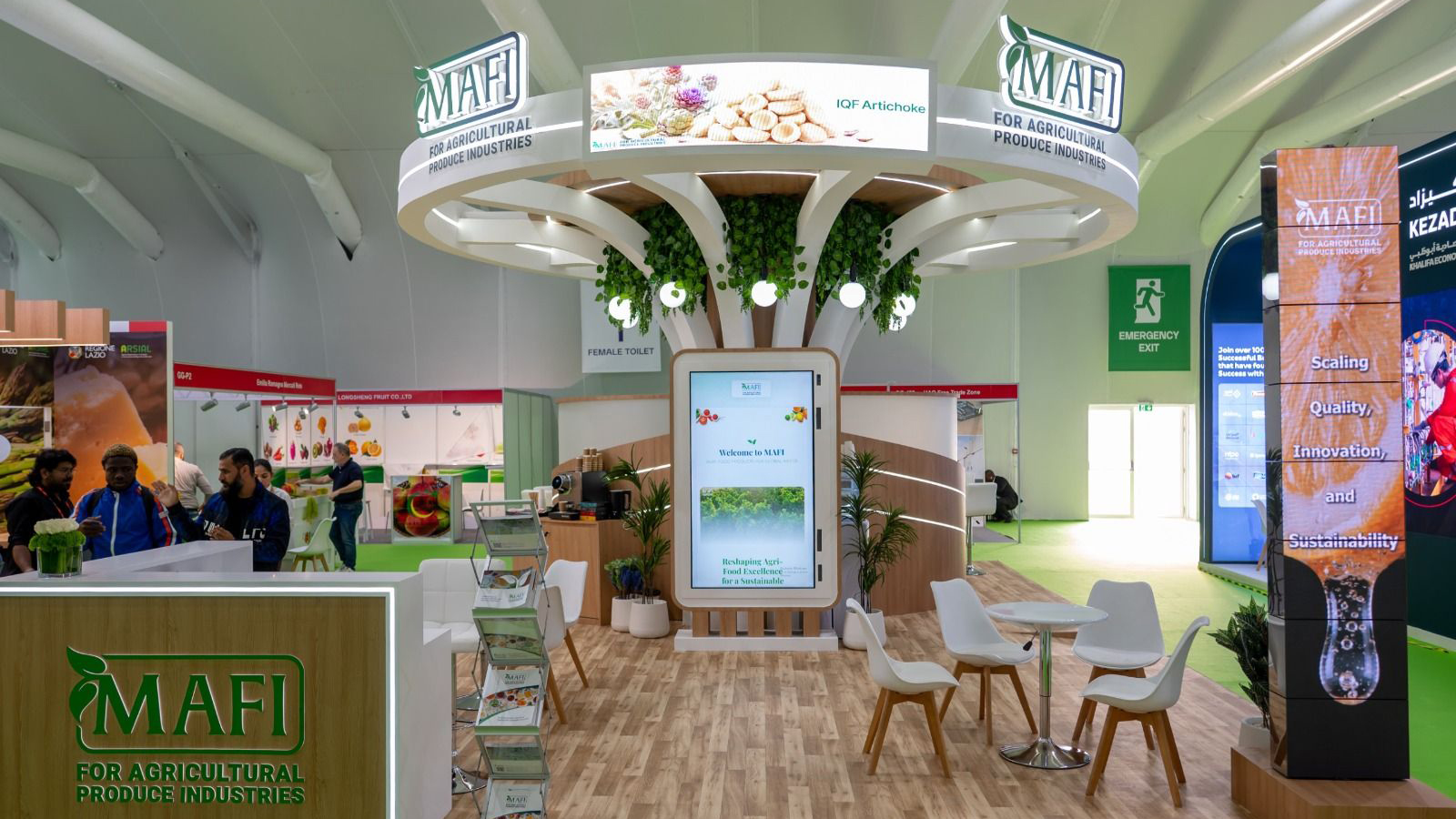
MAFI is one of the largest integrated agro-processing projects in Egypt and the region, established through a strategic partnership between Egypt and the UAE. The company is redefining the future of food manufacturing through an export-driven model built on innovation, sustainability, and advanced technology.
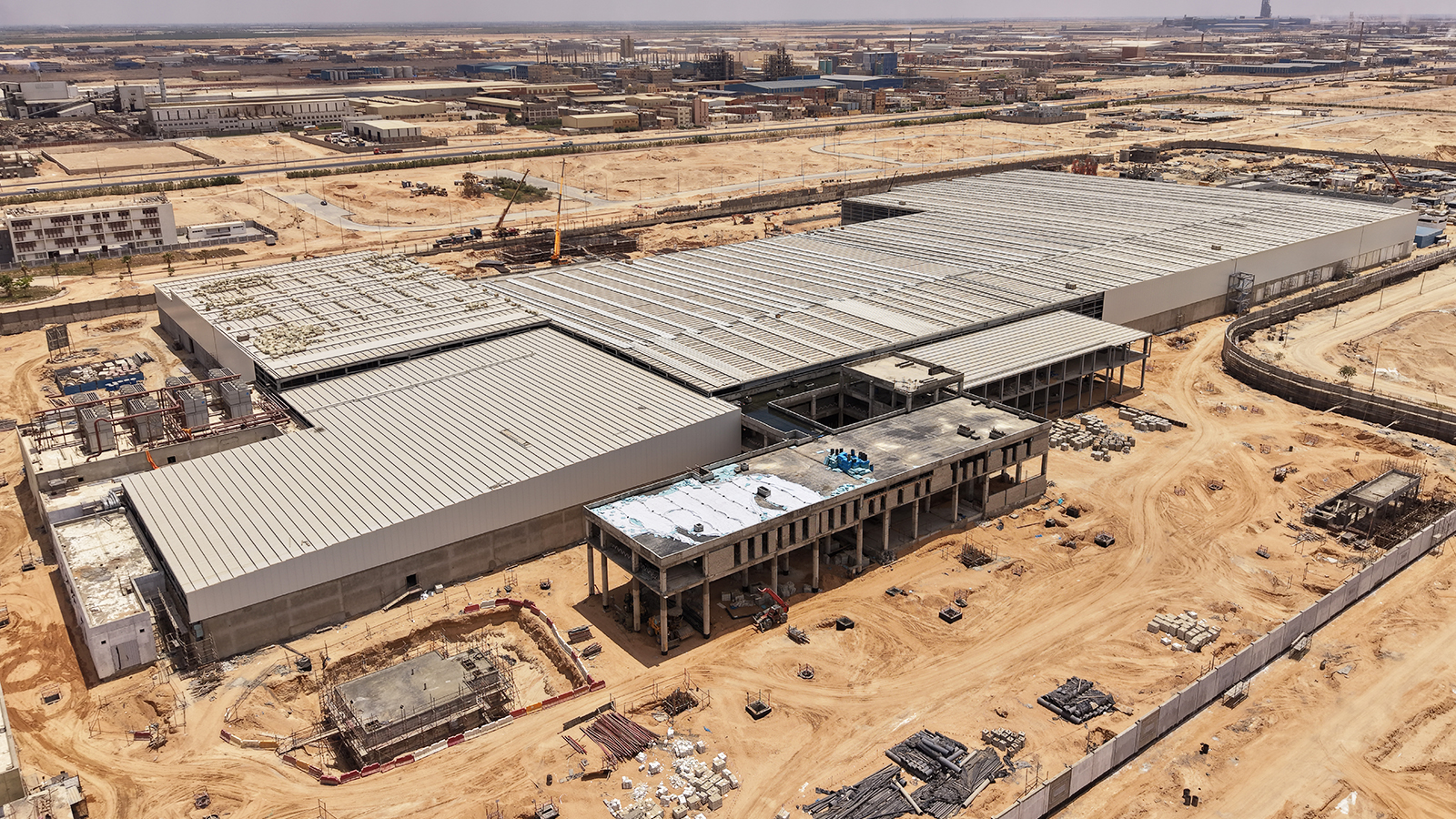
Located in Sadat City, the project spans approximately 157,000 square meters and represents a US$180 million investment in its first phase. The facility comprises five specialized manufacturing plants producing a wide range of value-added food ingredients, including citrus concentrates, tomato paste, fruit purées, NFC juices, freeze-dried products, and IQF fruits and vegetables, serving customers across international markets.
Designed around the latest manufacturing technologies, automation, digital systems, and artificial intelligence, MAFI combines operational excellence with a strong commitment to environmental sustainability. The facility has been developed in line with international best practices and is pursuing LEED certification, reflecting its commitment to responsible and sustainable manufacturing.
MAFI collaborates with leading international partners across engineering, technology, manufacturing, and finance to ensure world-class quality, operational efficiency, and global competitiveness.
With a strategic focus on the United States, Europe, the GCC, and Asia, MAFI is positioned to expand the global reach of Egyptian agricultural products while reinforcing Egypt’s position as a leading hub for value-added food manufacturing.
For more information, please visit the official MAFI website.
Atum Solar
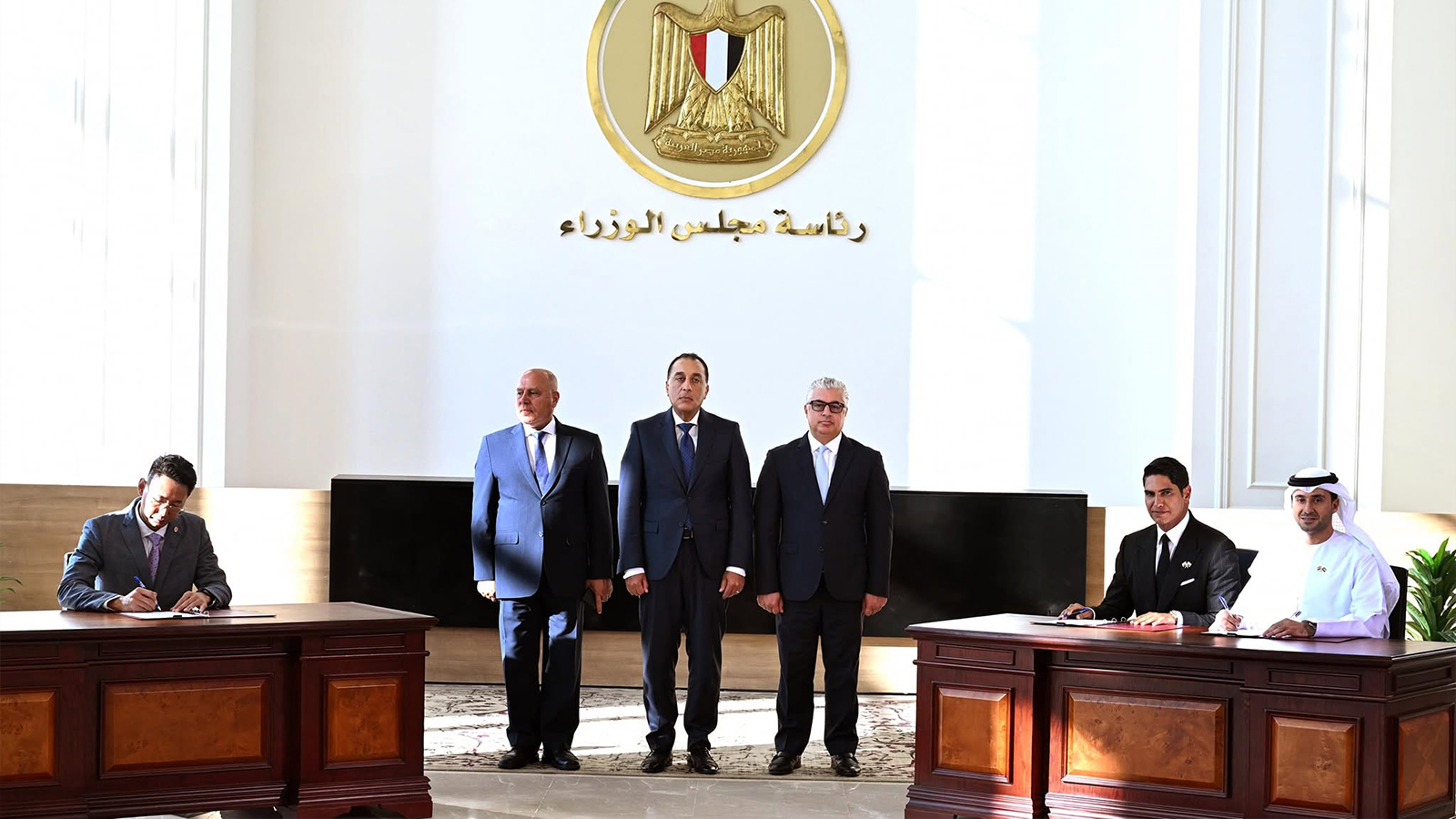
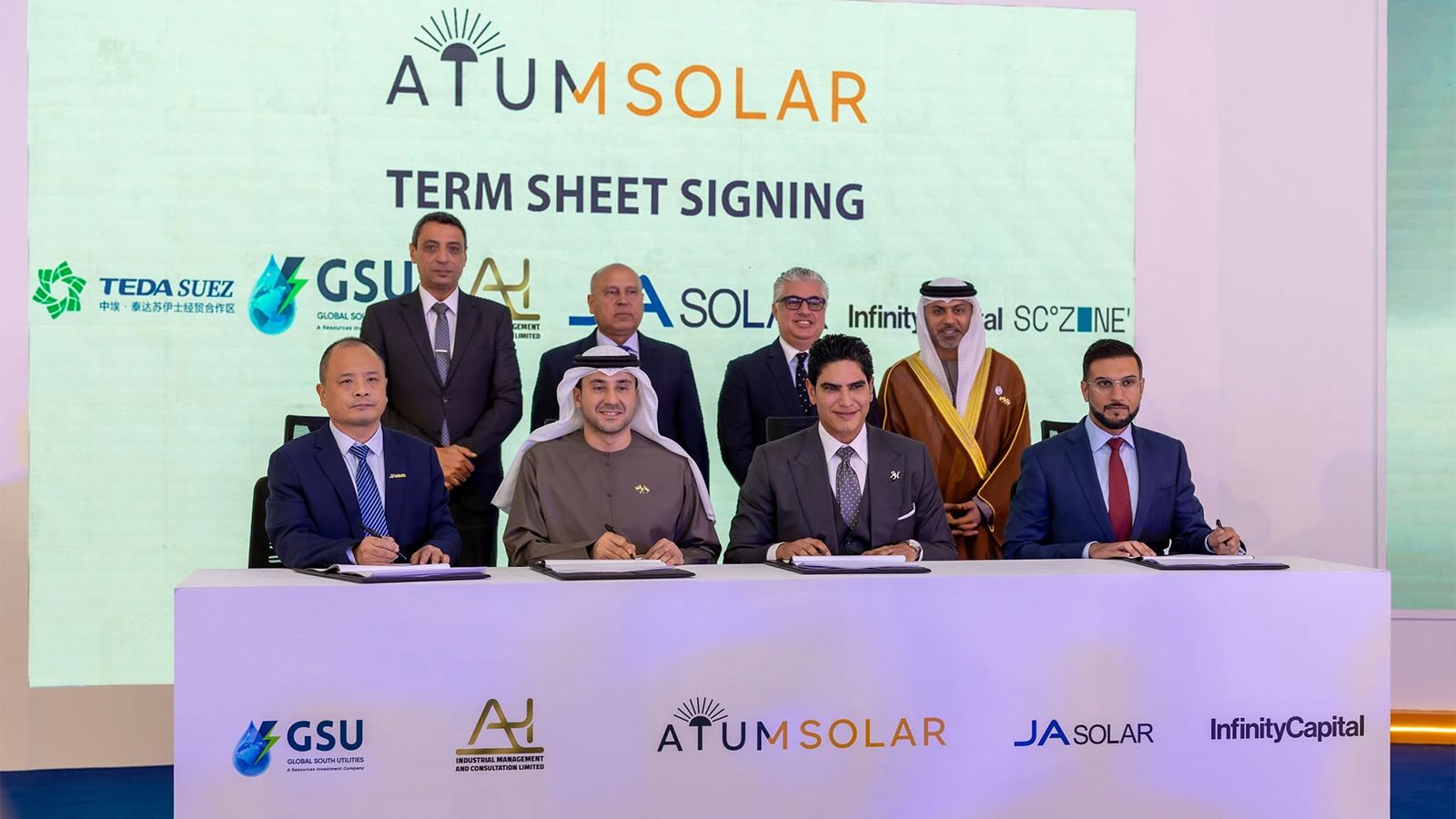
Atum Solar is a next-generation solar manufacturing company established through a strategic partnership between Egypt, the UAE, Bahrain, and China. The company was created to strengthen local manufacturing capabilities and accelerate the growth of Egypt’s renewable energy sector.
Located in the Suez Canal Economic Zone, the project covers approximately 204,000 square meters and includes an integrated manufacturing facility with an initial annual production capacity of 2 GW of solar panels. Built to international standards, the facility combines advanced technology with large-scale manufacturing to serve customers across regional and global markets.
Developed in partnership with industry leaders including JA Solar, Global South Utilities, Infinity Capital, and AH, Atum Solar reflects a shared commitment to innovation, industrial development, and the expansion of clean energy manufacturing.